

Private chef ingredient quality standards
The meal is only as good as the ingredients that go into it.
Most private chefs start at the recipe. Biospan is an organic private chef service, so we start two steps earlier: at how the ingredient was grown, how fresh it reaches your kitchen, and what we refuse to bring into it.
Today’s produce isn’t the same as your great-grandparents’
A century ago, food was simply food. Grown nearby, eaten in season and cooked from raw. Nutrition was the default option.
As we developed and found new ways to store food, first refrigeration and then long-haul logistics, crops were bred for yield, size and shelf-life. Distribution went national, then global. A carrot grown in 1950 and one grown today are not nutritionally the same vegetable. Today, many crops show measurable decline in nutrients such as iron, calcium and vitamin C[1].
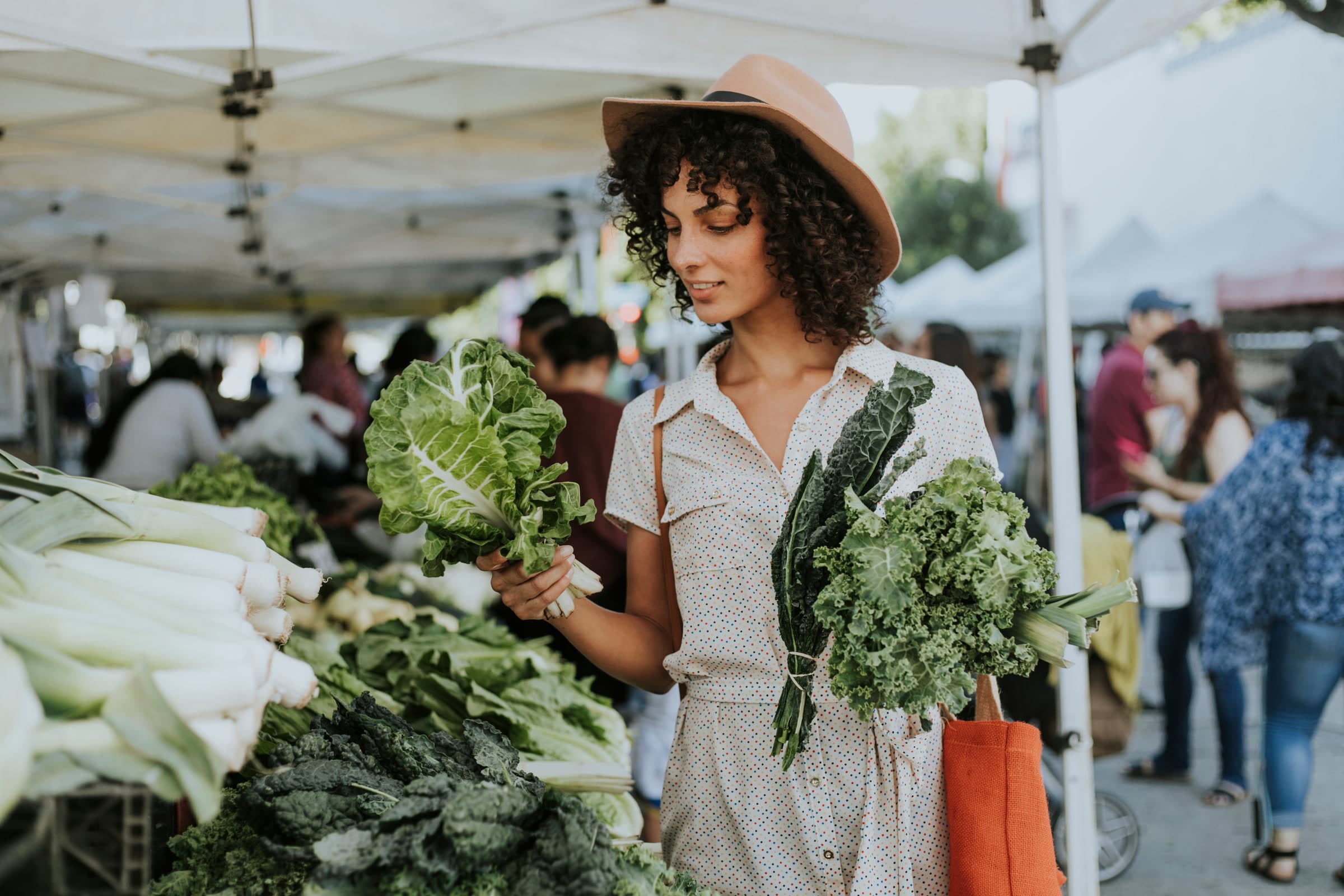
Now most of what fills a supermarket is ultra-processed, produce is bred to survive transport, and “fresh” vegetables are often days old before they’re cooked. Spinach can lose roughly a third of its vitamin C within 24 hours of being cut[2].
What your food eats becomes what you eat
Ingredient quality starts before the harvest: in the soil the plant grew in, and in what the animal was fed.
How plants are affected by soil
A plant is built from what it can pull out of the ground. Biologically healthy soil produces crops denser in minerals and higher in polyphenols, the compounds plants make to defend themselves[3]. Depleted soil and crops bred for yield give you the opposite.
How animals are affected by what they eat
An animal’s food becomes your food. Cattle on pasture, hens with genuine range and fish from the wild, all eating what their biology evolved for, show better nutrition in fat and vitamins[5] [8]. Grain-fed, confined animals produce a measurably different product. That is why your private chef buys grass-fed and pasture-raised meat, and wild-caught fish.
What this does is straightforward. It lowers what burdens the body: fewer pesticide residues, less cadmium and mercury, none of the ultra-processed food now linked to higher rates of heart disease and early death[9]. And it raises what protects it: the fibre, omega-3s and plant compounds most people don’t get enough of[10].
The framework: the Biospan Whole Food Approach
The Biospan Whole Food Approach is the spine of every menu your BioChef makes. One framework that works with virtually any goal: longevity, performance, or a clinical protocol. The framework decides the quality of the ingredients. Your goals and your practitioner’s plan decide the menus.
The Biospan Whole Food Approach.
The spine of every menu your BioChef makes, from longevity protocols to clinical plans to pure performance.
What your BioChef cooks with, and what stays out
Two short lists. Everything your BioChef sources sits on the left. Everything your BioChef keeps out of your food sits on the right.
Chef ingredient sourcing standards: where your BioChef shops
Your BioChef works to a written sourcing standard, and every supplier is graded against it. Suppliers vary by region: you may be in New York, London, or somewhere else entirely.
In practice, your BioChef shops from a mixture of local organic farmers and farm shops, greengrocers, butchers, fishmongers, farmers markets, online health shops and organic supermarkets. We make nothing on your groceries.
Every supplier is graded against the Biospan Supplier Tier Standard, category by category, from S to F. S is the ideal: pasture-raised organic and regenerative, grass-fed and finished, farm-direct, with pesticide screens. F is never bought: industrial feedlot meat, routine-antibiotic livestock, chlorine-washed poultry, mainstream supermarkets. Supplier grading is a beta feature we are rolling out region by region.
Your BioChef will also use whole-food suppliers for pre-made foods, fermented foods, broths and the like, when they come from trusted sources and make sense. These foods can take days to make; buying them well saves your chef from setting up a laboratory in your kitchen, and is more cost-effective for you.
Wild ingredients and specialty foods your private chef sources
Beyond the weekly shop, your BioChef sources heritage, wild and specialty foods when your menu calls for them.
Non-toxic cooking
The standard covers what your food touches on the way to the plate, as well as the ingredients themselves.
Your menus are designed around your body
The Biospan Whole Food Approach is the framework we use for ingredient sourcing. Your BioChef builds your menus around your body: your goals, your intolerances, your biomarker data, and your practitioner’s plan.
Same framework, different plate, every time.
Get access to clean, healthy food by your BioChef.
Ingredient quality questions, answered
Frequently asked.
The honest answers we give on a discovery call.
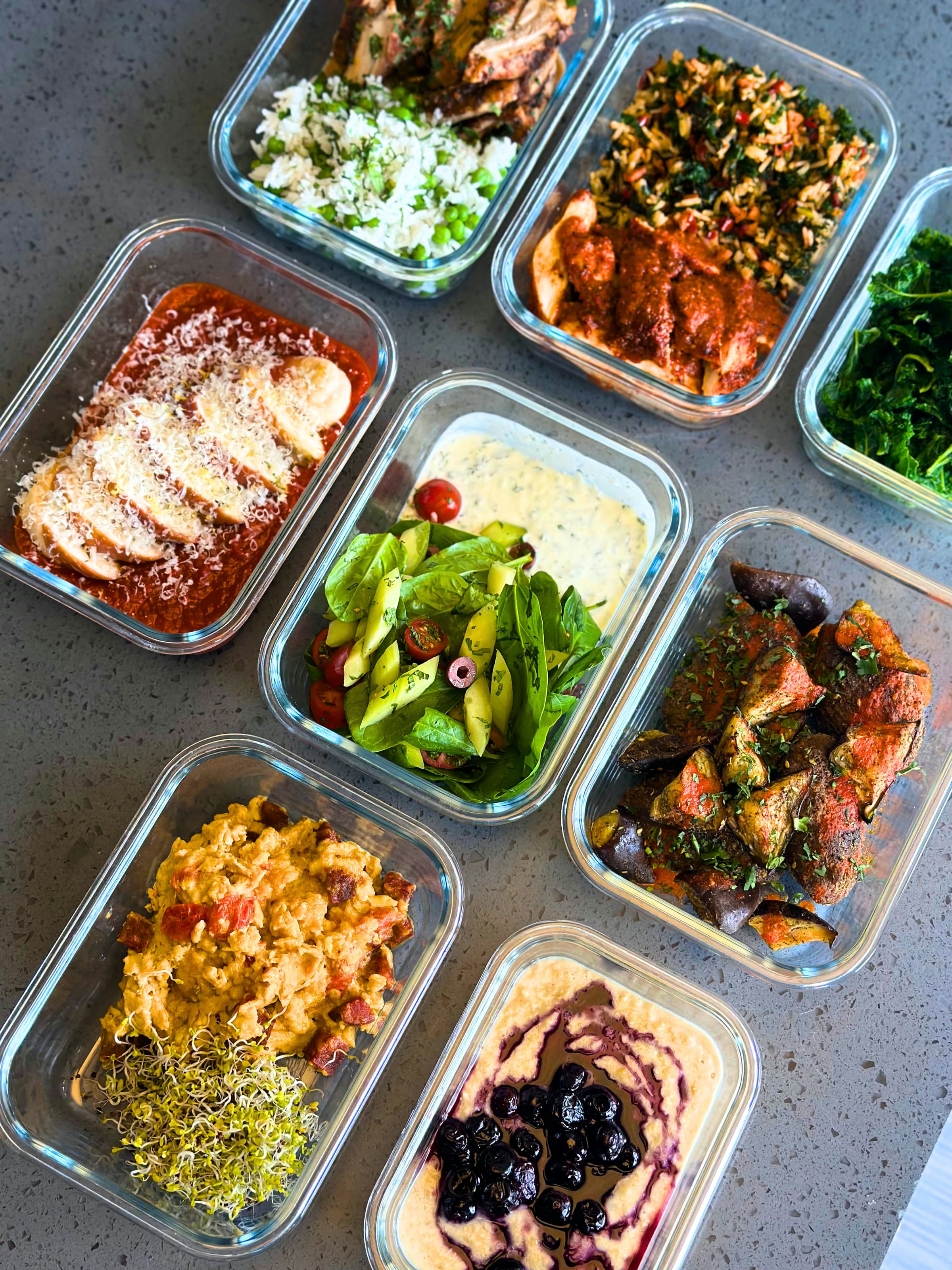
Your BioChef cooks with organic produce, grass-fed and pasture-raised meat and eggs, wild-caught fish, ferments and bone broths, and natural fats such as olive oil, ghee and tallow. Your meals are cooked without industrial seed oils, refined sugar or anything ultra-processed. BioCheffing is personalised nutrition with clean, organic ingredients, made by private chefs experienced in nutrition.
Yes, organic wherever it is available. Meat and eggs come from pasture-raised animals, fish comes from the wild, and the fats are natural: olive oil, ghee and tallow.
Not at Biospan. Your meals are cooked without industrial seed oils such as rapeseed, soy and sunflower. Your BioChef cooks with the fats your programme calls for, or defaults to organic extra-virgin olive oil, ghee and tallow.
From local organic farmers and farm shops, butchers, fishmongers, farmers markets, online health shops and organic supermarkets, chosen by region. Every supplier is graded against the Biospan Supplier Tier Standard. Supplier grading is a beta feature we are rolling out region by region.
Yes. Tell us the farms, shops and brands you already trust and your BioChef shops from them. Your preferred suppliers are graded like every other supplier, a beta feature we are rolling out region by region.
The Biospan Whole Food Approach is the framework your BioChef sources and cooks by: whole foods, nose-to-tail, seasonal and local, organic, prepared for digestion, diversity, natural fats, and rhythm over rigidity. It is how we choose ingredients, whichever goal or plan your menus follow.
No. It is not a diet. Most of our clients do not follow a named diet at all. The approach decides the quality of the ingredients; your goals, your intolerances and your practitioner’s plan decide the menus. Keto, Paleo, low-FODMAP or a clinical protocol all sit on top of it.
Stainless steel, carbon steel and cast iron, with no non-stick coatings and no aluminium for acidic foods. Your food is stored in glass, not plastic, and your BioChef cooks and washes produce with filtered or reverse-osmosis water.
Sources
Reviewed September 2026
Set and forget your diet.
Food to these standards, cooked in your kitchen every week, without you having to think about it.
Find My BioChef